

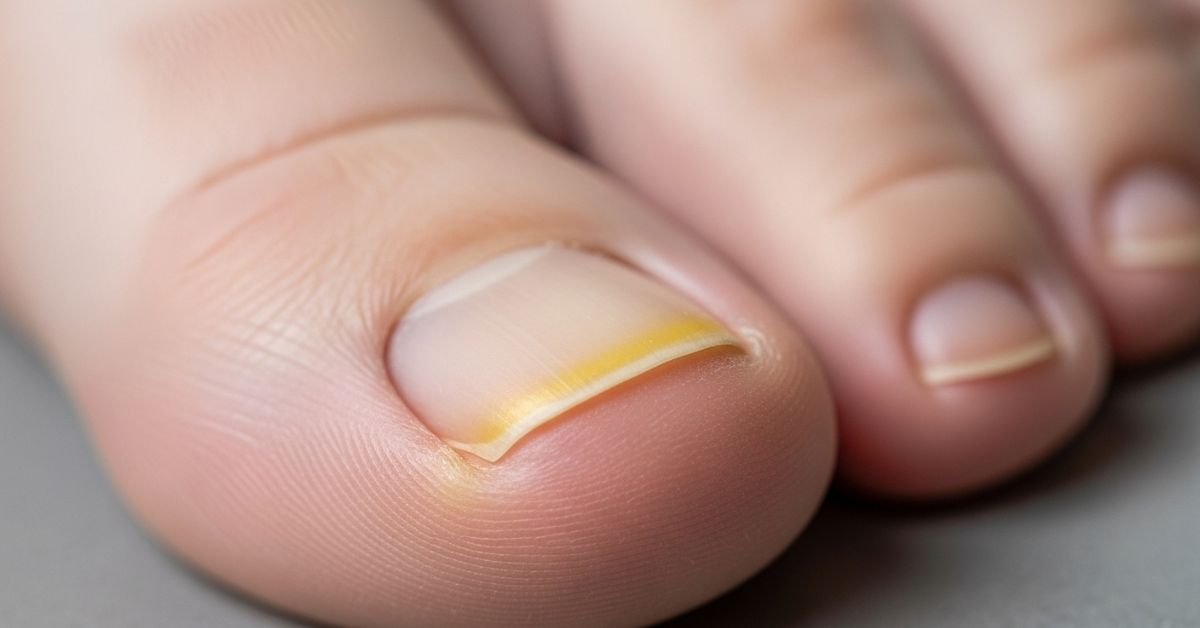
Toenail fungus is far more common in seniors than many people realize. As we age, nails grow more slowly, circulation decreases, and immune response weakens — all of which make fungal infections easier to develop and harder to eliminate.
What often starts as mild discoloration or thickening can gradually worsen, leading to pain, difficulty walking, and recurring infections if not treated properly.
This guide explains why seniors are more vulnerable, early warning signs, safe treatment options, and when medical care is necessary.
Why Toenail Fungus Is More Common in Seniors
Toenail fungus (onychomycosis) thrives when nail defenses are weakened — something that naturally happens with age.
Key age-related risk factors:
1. Slower Nail Growth
Toenails in seniors grow much more slowly, allowing fungus to stay embedded longer.
2. Reduced Blood Circulation
Poor circulation limits the body’s ability to fight infections and deliver nutrients needed for nail repair.
3. Thicker, More Brittle Nails
Aging nails naturally thicken, crack, and become brittle — making it easier for fungus to enter.
4. Weakened Immune Response
Even without chronic illness, immune efficiency declines with age.
5. Underlying Health Conditions
Seniors with diabetes, vascular disease, or mobility issues face higher risks and complications.
Early Signs Seniors Should Never Ignore
Toenail fungus in seniors often goes untreated because it’s mistaken for “normal aging.”
Watch for:
- Yellow or white discoloration
- Thickened or hard-to-trim nails
- Chalky or flaky surface
- Brittle or crumbling edges
- Nail separating from the nail bed
Why It Often Starts in Just One Nail
Many seniors notice fungus affecting only one toenail at first.
Common reasons:
- Uneven pressure from shoes
- Past nail trauma
- Reduced blood flow to specific toes
Without treatment, it often spreads gradually to other nails.
Safe Treatment Options for Seniors
Treatment in seniors should focus on effectiveness + safety.
1. Daily Nail Hygiene (Essential Foundation)
✔ Wash and dry feet thoroughly
✔ Trim nails straight across
✔ Disinfect nail tools after use
✔ Change socks daily
✔ Avoid tight footwear
2. Topical Antifungal Treatments (Preferred First Step)
Topical treatments are often safer than oral medications for seniors.
However, many standard creams struggle to penetrate thick nails.
Oil-based antifungal formulations are often preferred for:
- Better nail absorption
- Gentler daily use
- Lower systemic risk
👉 Detailed comparison and review
3. Avoid Covering Infected Nails
Nail polish or cosmetic coverings trap moisture and worsen infection.
👉 Why fungus keeps coming back
4. Treat Early to Avoid Complications
Untreated toenail fungus in seniors can lead to:
- Pain when walking
- Nail lifting and secondary infections
- Increased fall risk
- Spread to other nails
👉 Stages explained clearly here
When Seniors Should See a Doctor Immediately
Medical care is recommended if:
- Multiple nails are infected
- The nail becomes painful or inflamed
- The nail lifts significantly
- There is swelling, odor, or drainage
- You have diabetes or circulation issues
Can Seniors Treat Toenail Fungus at Home?
Yes — mild to moderate cases often respond well to home care when treated early and consistently.
Final Verdict: Early, Gentle Treatment Works Best
Toenail fungus in seniors is common — but not inevitable.
The key is:
✔ early recognition
✔ consistent care
✔ safe, nail-penetrating treatments
✔ avoiding harsh or risky methods
With the right approach, seniors can restore healthier nails and prevent long-term complications.
Reviewed by Laura Collins
Editor & Lead Content Researcher at Nail Health Guide
Laura Collins reviews nail health content using a research-based approach focused on clarity, accuracy, and real-world relevance.
Learn more about Laura Collins