Weak nails that bend, peel, split, or break easily are incredibly common — and thankfully, highly fixable. With the right natural routine, your nails can become stronger, smoother, and more resilient in just a few weeks.
Below is a dermatologist-inspired, natural approach to restoring healthy nail strength without aggressive chemicals or expensive salon treatments.
🧠 Why Nails Become Weak
Before strengthening weak nails, it’s essential to understand what’s causing them.
Common Causes of Weak Nails
- Frequent exposure to water
- Harsh nail polish removers (especially acetone)
- Nutrient deficiencies
- Aging
- Overuse of gels and acrylics
- Chronic dryness
- Fungal imbalances (a hidden and very common cause)
📌 Tip: If your nails are weak and also yellowish, flaky, or thickening, fungus may be playing a role — even in early stages.
🛠️ How to Strengthen Weak Nails Naturally (10 Proven Methods)
1. Hydrate Your Nails Daily
Dry nails crack, bend, and split easily. Natural oils are essential.
Use daily:
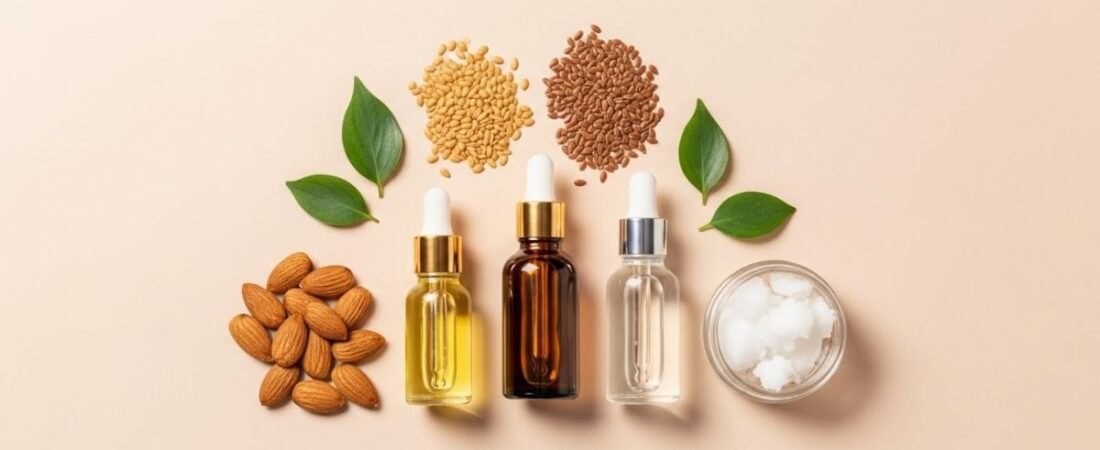
- Jojoba oil
- Vitamin E
- Almond oil
- Cuticle oil
💡 Pro tip: Apply oils right after a shower — when nails absorb moisture best.
2. Use a Natural Strengthening Oil (Dermatologist-Favorite Approach)
One of the fastest ways to strengthen weak nails is to use a natural oil-based formula that protects the nail plate and supports keratin recovery.
⭐ Kerassentials — A Natural Support Option
Kerassentials is often used by people looking to improve nail strength, reduce peeling, and support the natural nail barrier.
It contains essential oils like tea tree, clove, and lavender — ingredients known for keeping nails protected and hydrated.
It’s not sold as a “strengthener,” but many people report improvements in:
- Brittleness
- Peeling
- Thin, weak nails
- Surface damage
🔎 Want deeper insights?
3. Keep Nails Short While They Rebuild
Short nails break less and allow new, stronger nail growth to take over.
4. Stop Using Harsh Nail Polish Removers
Especially acetone — it strips natural oils from the nail.
Switch to:
- Non-acetone removers
- Clean-beauty formulas
5. Reduce Water Exposure
Water causes nails to swell and weaken.
✔ Wear gloves while cleaning
✔ Avoid soaking nails
✔ Take shorter showers
6. Add Nail-Strengthening Nutrients
Weak nails often signal nutritional gaps.
Key nutrients for stronger nails:
- Biotin — helps increase nail thickness
- Zinc — prevents peeling
- Iron — supports nail structure
- Omega-3s — improves nail flexibility
7. Take Breaks From Acrylics & Gel Nails
These treatments dehydrate and thin the nails over time.
If you love gels:
✔ Take breaks
✔ Rehydrate nails with oils after removal
8. Avoid Nail Biting & Picking
These habits damage the keratin layers and slow recovery.
9. Treat Possible Fungal Imbalance
Many people think they have “weak nails” when they actually have fungus-related damage:
- peeling
- cracking
- brittleness
- surface flaking
⭐ Kerassentials for Fungus-Related Weakness
Because it contains natural antifungal oils, many users find Kerassentials especially helpful when weakness is connected to fungal imbalance.
👉 Kerassentials Official Page | See updated pricing and product details here.
OR
📘 Read the Full Kerassentials Review | If you want a more complete breakdown before deciding.
10. Build a Daily Nail-Care Routine
Morning
✔ Apply hydrating oil
✔ Moisturize hands
Night
✔ Use a strengthening or protective oil (example: Kerassentials)
✔ Apply cuticle cream
✔ Optional: wear soft cotton gloves
Weekly
✔ Trim nails
✔ Avoid rough filing
✔ Leave a polish-free day
🔍 Are Weak Nails a Sign of a Health Problem?
Sometimes, yes.
Consult a doctor if you notice:
- Severe splitting
- Blue or spoon-shaped nails
- Chronic discoloration
- Pain or swelling
Nails can reflect overall health.
⭐ Should You Try Kerassentials for Weak Nails?
Here’s why many people include it in their natural nail-strengthening routine:
✔ Protects surface keratin
✔ Helps reduce brittleness
✔ Hydrates deeply
✔ Helps when fungus is involved
✔ Easy, gentle, and natural
Kerassentials is not positioned as a “strengthener,” but it performs extremely well for people dealing with fragile, peeling, or chronically weak nails — especially when fungus is part of the problem.
👉 Visit the Official Kerassentials Website | See details and current discounts.
🏁 Final Verdict: Strong, Healthy Nails Are Absolutely Possible
With the right routine, natural oils, and consistent care, weak nails can transform dramatically within 4–12 weeks.
For fastest results:
✔ Hydrate daily
✔ Avoid harsh removers
✔ Keep nails short
✔ Strengthen with natural oils (Kerassentials works especially well)
✔ Add biotin & zinc
You can absolutely rebuild stronger, healthier nails — naturally.
Reviewed by Laura Collins
Editor & Lead Content Researcher at Nail Health Guide
Laura Collins reviews nail health content using a research-based approach focused on clarity, accuracy, and real-world relevance.
Learn more about Laura Collins