
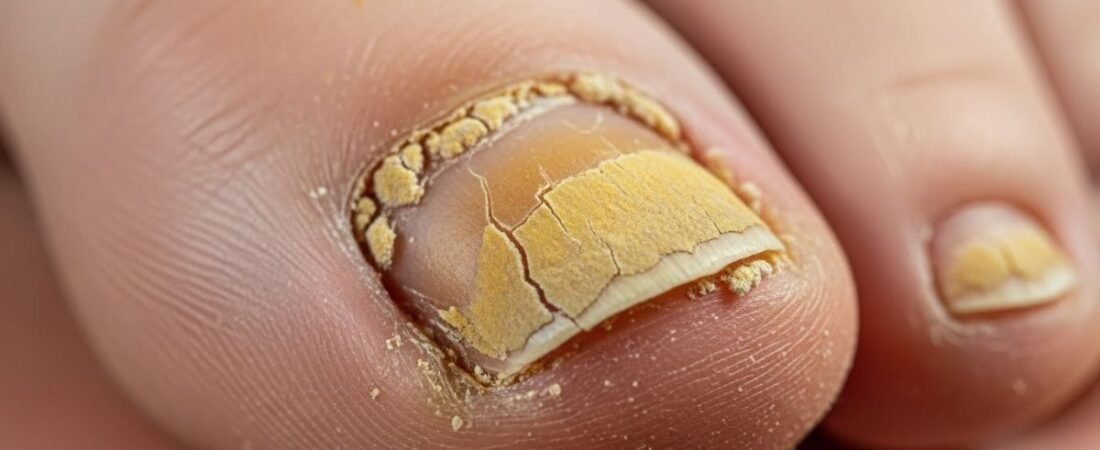
Toenail fungus that doesn’t respond to treatment is more common than most people expect. Many start antifungal solutions feeling hopeful — only to see little improvement weeks or even months later.
If your toenail fungus seems stubborn or completely unresponsive, the issue often isn’t effort — it’s what the treatment fails to address.
Understanding why some infections persist is the first step toward choosing an approach that actually matches the problem.
Why Toenail Fungus Sometimes Doesn’t Improve
1. The Problem Was Never Fully Identified
Not all nail changes are caused by fungus. Conditions that commonly get mistaken for fungal infections include:
- Nail psoriasis
- Nail trauma or pressure damage
- Non-fungal nail discoloration
When treatment targets the wrong issue, results are minimal — no matter how consistent the routine is. This is one of the most overlooked reasons treatments appear to “fail.”
2. Treatment Is Stopped Too Early
Toenails grow extremely slowly. Even when fungus is weakened, infected nail material can remain for months.
Common mistakes include:
- Ending treatment as soon as the nail looks better
- Inconsistent application
- Treating only the most visible nail
This creates a familiar cycle:
temporary improvement → treatment stops → fungus returns
3. Some Fungal Strains Are More Persistent
Certain fungal organisms are harder to suppress and may not respond well to basic or surface-level treatments.
When treatment doesn’t reach:
- beneath the nail plate
- into the nail bed
- or surrounding skin folds
fungal activity can continue silently, even if the nail appears improved on the surface.
4. Moisture and Daily Exposure Undo Progress
Fungus thrives in warm, damp environments. Ongoing exposure from:
- sweaty shoes
- damp socks
- shared showers
- contaminated nail tools
can continuously reintroduce fungal spores — making progress almost impossible without addressing daily habits.
Why Many Treatments Fall Short
Many people rely on short-term or surface-focused solutions. While these may help reduce discoloration temporarily, they often don’t support:
- long-term nail regrowth
- consistent daily use
- an environment where fungus struggles to survive
That’s why persistent cases often require a longer-term, supportive approach rather than stronger medication alone.
👉 See what most basic treatments fail to address beneath the nail
When to Consider a Different Strategy
If you’ve tried:
- multiple OTC products
- strict hygiene routines
- prescription options with limited success
it may be time to look beyond quick fixes and explore solutions designed specifically for recurring or treatment-resistant nail concerns.
Rather than targeting symptoms alone, these approaches focus on supporting healthier nail conditions over time — which matters when nails grow this slowly.
Why People Start Researching Alternative Topical Support
Once toenail fungus becomes persistent, many people realize hygiene alone isn’t enough — and that stopping treatment early almost guarantees recurrence.
This leads many readers to research topical formulas designed for:
- daily, long-term use
- stubborn or recurring fungal issues
- improving nail condition as new nail grows in
One option frequently discussed in this context is Kerassentials, which is why we’ve broken down how it works, what it contains, and who it may be best suited for in a separate review.
👉 Read the in-depth Kerassentials review and see if it fits your situation
🔑 When Nothing Seems to Work
If toenail fungus isn’t improving after weeks or even months of treatment, it doesn’t always mean the condition is untreatable. In many cases, the issue is consistency or using solutions that don’t penetrate deeply enough.
For this reason, some people turn to antifungal oils that are applied daily and absorbed over time. One option frequently discussed is Kerassentials, especially by those looking for a gentler, long-term approach.
This review explains how Kerassentials works, what’s inside it, and what results people realistically report.
Best Next Step If Treatment Hasn’t Worked
If your toenail fungus hasn’t responded to standard treatments, the goal shouldn’t be “stronger” — it should be more consistent and better matched to how nails actually heal.
Long-term support, daily application, and patience often matter more than aggressive short-term solutions.
👉 Explore the full Kerassentials review to see if it aligns with your stage of nail fungus
Final Thoughts
Toenail fungus may not respond to treatment because:
- the condition was misidentified
- treatment stopped too early
- fungus persisted beneath the nail
- moisture and reinfection continued
The good news?
With the right approach and consistent care, many people finally see lasting improvement — especially when treatment supports healthy nail regrowth over time.
Reviewed by Laura Collins
Editor & Lead Content Researcher at Nail Health Guide
Laura Collins reviews nail health content using a research-based approach focused on clarity, accuracy, and real-world relevance.
Learn more about Laura Collins