Written by the Nail Health Guide Editorial Team | Updated August 2026 | 4 min read
Affiliate disclosure: This page contains affiliate links — we may earn a commission at no extra cost to you. Medical disclaimer: Not medical advice; consult your doctor before starting any new treatment.
Quick Summary
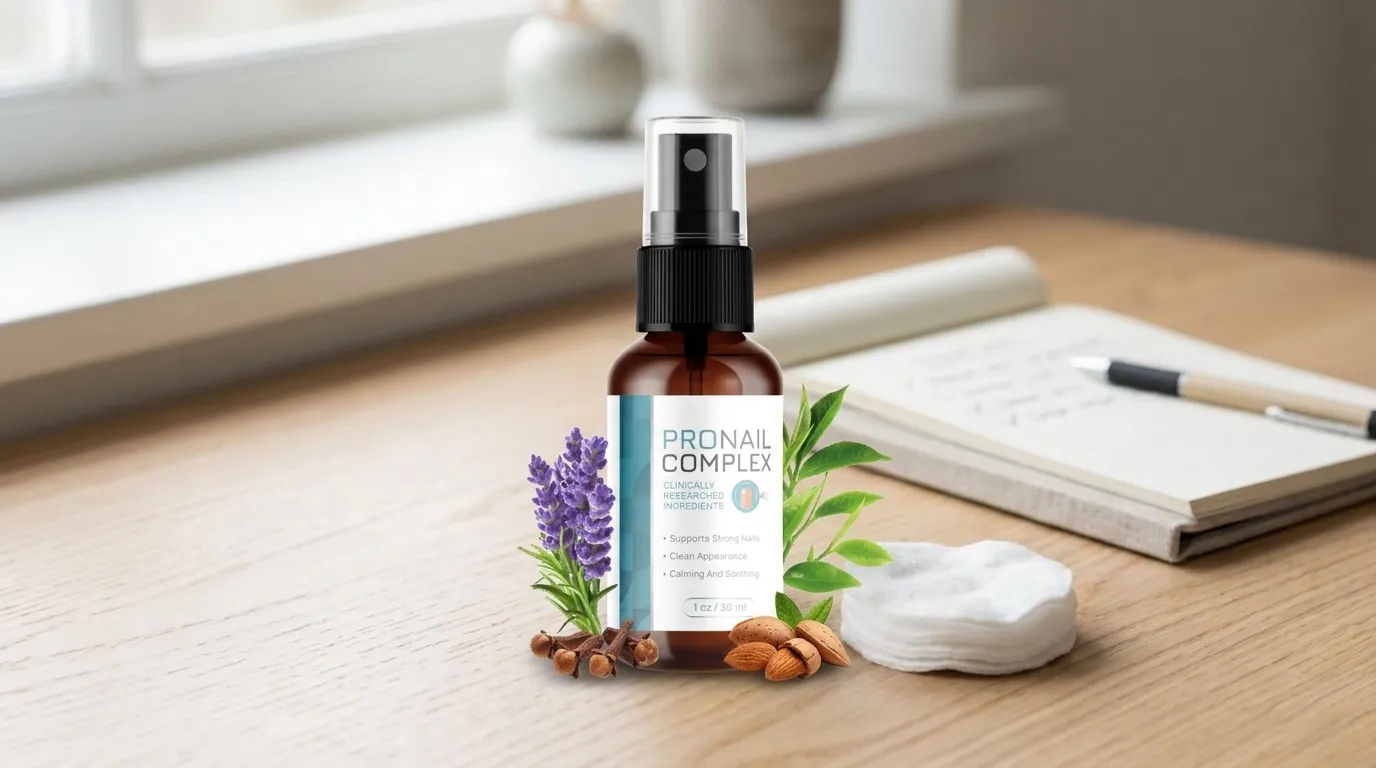
ProNail Complex is a topical mist spray, so it avoids the systemic risks of an oral supplement — but its blend of essential oils and two tree nut-derived carrier oils (almond and walnut) mean skin sensitivity and allergy risk are the main things to watch for. Here’s the full, honest safety breakdown.
See Full Ingredient & Safety Details — Official Website →
For our full product breakdown, see the ProNail Complex Review. For a full ingredient-by-ingredient analysis, see ProNail Complex Ingredients.
Because ProNail Complex is sprayed onto the skin rather than swallowed, its safety profile is different from an oral supplement — but it’s still worth understanding before you start using it.
⚠️ Important Note
The formula contains both sweet almond oil and walnut oil. If you have a tree nut allergy, this is the single most important thing to know before using this product.
Why Topical Matters (And Why It’s Not Risk-Free)
Topical antifungal sprays don’t pass through the digestive system, avoiding the systemic side effects associated with oral medications or supplements. However, ProNail Complex’s formula includes several essential oils (tea tree, clove bud, lemongrass, lavender, camphor), which means the main risk category is skin sensitivity and allergic reaction — not digestive or systemic effects.
Tree Nut Allergy: The Most Important Flag
ProNail Complex’s formula contains both sweet almond oil and walnut oil. If you have a tree nut allergy, this is the most important thing to know before using this product — topical exposure to tree nut oils can trigger a reaction in sensitized individuals, even though the product isn’t ingested.
If you have a tree nut allergy: avoid this product, or consult an allergist before use.
Essential Oil Sensitivity
The formula’s essential oils — particularly camphor and clove bud oil — carry a higher sensitization risk than milder ingredients. Possible reactions include:
- Redness or irritation at the application site
- A burning or stinging sensation, especially on broken or irritated skin
- Contact dermatitis in sensitive individuals with repeated use
Camphor oil is generally not recommended for use on infants or young children, and caution is advised with camphor-containing products generally due to its potency — worth keeping in mind if there are small children in the household.
Clove bud oil contains eugenol, which in concentrated form can cause skin irritation in sensitive individuals — one reason a patch test is a sensible first step.
🔍 Quick Fact
Camphor and clove bud oil are the two ingredients most likely to cause irritation in this formula — the tree nut oils are more relevant for allergy risk than general skin sensitivity.
Recommended Patch Test
Given the concentration of essential oils, we recommend:
- Spray a small amount onto a small area of skin (such as the inner forearm)
- Wait 24 hours
- Check for redness, itching, or irritation
- If no reaction occurs, proceed with normal application to the nail
This is a standard, low-effort precaution for any product with a concentrated essential oil blend.
Who Should Be Cautious
- Tree nut allergy — due to almond and walnut oil content
- Known sensitivity to camphor, clove, tea tree, or lavender oil
- Very sensitive or broken/cracked skin around the nail
- Diabetes or poor circulation — consult a doctor before starting any new topical foot treatment
- Compromised immune system — consult a doctor before starting any new antifungal treatment
- Households with small children — camphor-containing products should be stored safely and used cautiously
Who ProNail Complex Is Generally Safe For
For most healthy adults without a tree nut allergy or known essential oil sensitivity, ProNail Complex’s topical spray format is a relatively low-risk way to use an antifungal treatment, avoiding the systemic effects of oral options. The main things to expect are a noticeable scent from the essential oil blend and a cooling sensation from the menthol — not a concerning safety profile beyond the allergy considerations above.
✅ Key Takeaway
Beyond the tree nut allergy flag, ProNail Complex is a relatively low-risk topical product for most healthy adults — a patch test covers the remaining essential oil sensitivity risk.
Check the Official Website for Full Usage Guidance →
When to Stop Use and Consult a Doctor
Stop use and consult a healthcare provider if you experience:
- Persistent redness, swelling, or irritation that doesn’t resolve
- Signs of an allergic reaction (rash, hives, swelling, difficulty breathing)
- Increased pain or signs of infection around the nail
- Any reaction consistent with a tree nut allergy
FAQ
Is ProNail Complex safe to use daily? For most people without a tree nut allergy or essential oil sensitivity, yes — topical antifungal sprays are generally designed for daily use. A patch test before starting is a sensible precaution.
Does ProNail Complex contain nut allergens? Yes — both sweet almond oil and walnut oil are in the formula. Avoid if you have a tree nut allergy.
Can ProNail Complex irritate my skin? It’s possible, particularly from the camphor and clove bud oil content, especially on sensitive or already-irritated skin. A patch test is recommended.
Is ProNail Complex safe for children? Camphor-containing products are generally not recommended for infants or young children. Consult a pediatrician before use in children.
Is ProNail Complex safe for people with diabetes? Anyone with diabetes or poor circulation should consult a doctor before starting any new topical foot treatment.

Laura Collins
Editorial direction for Nail Health Guide. This safety breakdown is based on ingredient safety profiles and published dermatology research.
Continue reading:
- 👉 Full ProNail Complex Review
- 👉 ProNail Complex Ingredients: Full Breakdown
- 👉 ProNail Complex Scam or Legit?
- 👉 Where to Buy ProNail Complex
- 👉 Best Toenail Fungus Treatment in 2026
⚠️ Medical Disclaimer: This content is for informational purposes only and is not intended as medical advice. Always consult a qualified healthcare professional before starting any new treatment, especially if you have known allergies, sensitive skin, diabetes, or a compromised immune system. Seek immediate medical attention if you experience a severe or allergic reaction.
Affiliate Disclosure: This page contains affiliate links. If you purchase through our link, we may earn a commission at no additional cost to you. This does not influence our assessment.